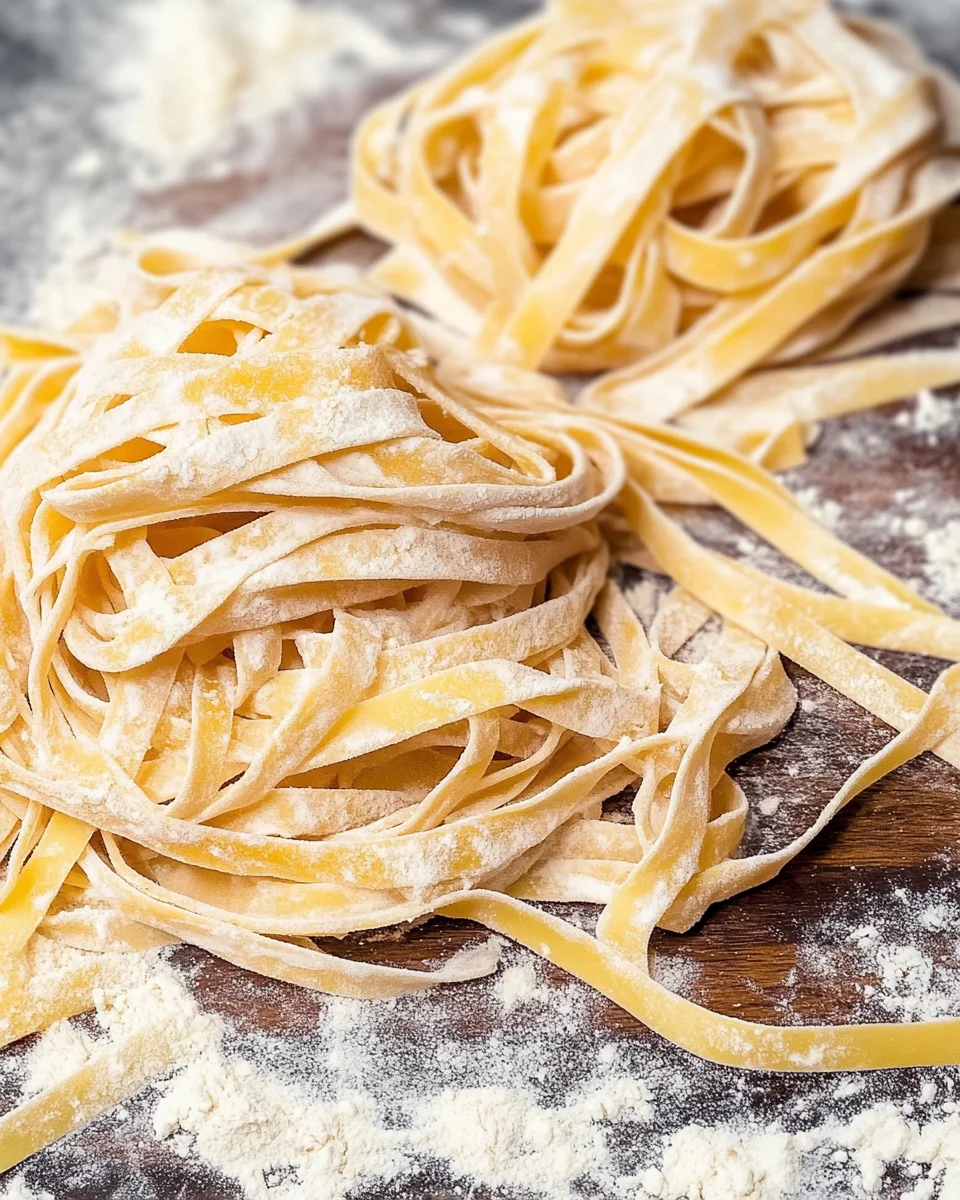
Fresh, homemade pasta is a delight for any occasion. How to Make Homemade Pasta combines simplicity and flavor, making it perfect for family dinners, romantic dates, or festive gatherings. With just two ingredients, you can create a dish that brings warmth and joy to your table. Whether you’re making it by hand or using a pasta roller, this recipe highlights the unique texture and taste of fresh pasta.
Jump to:
- Why You’ll Love This Recipe
- Tools and Preparation
- Essential Tools and Equipment
- Importance of Each Tool
- Ingredients
- For the Dough
- How to Make Homemade Pasta
- Step 1: Prepare Your Workspace
- Step 2: Combine Flour and Eggs
- Step 3: Knead the Dough
- Step 4: Rest the Dough
- Step 5: Roll Out the Dough
- Step 6: Cut Into Desired Shapes
- Step 7: Cook Your Pasta
- How to Serve How to Make Homemade Pasta
- Classic Marinara Sauce
- Creamy Alfredo Sauce
- Pesto Sauce
- Garlic Butter Sauce
- Meatballs
- Grilled Vegetables
- How to Perfect How to Make Homemade Pasta
- Best Side Dishes for How to Make Homemade Pasta
- Common Mistakes to Avoid
- Storage & Reheating Instructions
- Refrigerator Storage
- Freezing How to Make Homemade Pasta
- Reheating How to Make Homemade Pasta
- Frequently Asked Questions
- How to Make Homemade Pasta without a machine?
- What type of flour is best for homemade pasta?
- How long does it take to cook homemade pasta?
- Can I make homemade pasta ahead of time?
- What sauces pair well with homemade pasta?
- Final Thoughts
- 📖 Recipe Card
Why You’ll Love This Recipe
- Simple Ingredients: Only requires flour and eggs, making it easy to whip up.
- Versatile: Perfect for various sauces and dishes—serve it with pesto, marinara, or just olive oil!
- Fresh Taste: Homemade pasta has a flavor and texture that store-bought can’t match.
- Fun Activity: Making pasta can be a fun family activity that everyone can enjoy.
- Customizable: Easily adjust the thickness and shape based on your preference.
Tools and Preparation
To make homemade pasta successfully, having the right tools is essential. Below are some of the key items you will need to prepare your dough and roll out your pasta.
Grab This Chef Knife Now - Almost Gone!
- Stays Razor-Sharp: Ice-hardened blade keeps its edge longer than ordinary knives
- Superior Grip Control: Unique finger hole design gives you perfect balance and safety
- Built to Last a Lifetime: Premium stainless steel blade with elegant beech wood handle
Customer Reviews ★★★★★
Essential Tools and Equipment
- Pasta roller or rolling pin
- Mixing bowl
- Clean surface or countertop
- Knife or pasta cutter
Importance of Each Tool
- Pasta roller: This tool helps achieve uniform thickness in your dough, ensuring even cooking.
- Mixing bowl: A sturdy bowl is crucial for combining ingredients without spilling.
- Rolling pin: If you don’t have a pasta roller, a rolling pin will help flatten the dough effectively.
Ingredients
For the Dough
- 2 ¼ to 2 ½ cups 00 flour or all-purpose flour (see instructions)
- 4 large eggs
- Additional flour for rolling
How to Make Homemade Pasta
Step 1: Prepare Your Workspace
Make sure your kitchen counter is clean and dry. Dust it with flour to prevent sticking.
Step 2: Combine Flour and Eggs
In a mixing bowl, create a well with the flour. Crack the eggs into the center of the well. Use a fork to beat the eggs gently while gradually incorporating the flour from the edges.
Step 3: Knead the Dough
Once combined, transfer the dough onto your floured surface. Knead it for about 8-10 minutes until it’s smooth and elastic.
Step 4: Rest the Dough
Wrap your dough in plastic wrap or cover it with a towel. Let it rest for at least 30 minutes at room temperature. This step allows gluten to relax, making it easier to roll out later.
Step 5: Roll Out the Dough
Divide your rested dough into smaller portions for easier handling. Use either a pasta roller or rolling pin to roll each piece out thinly, dusting with additional flour as needed to prevent sticking.
Step 6: Cut Into Desired Shapes
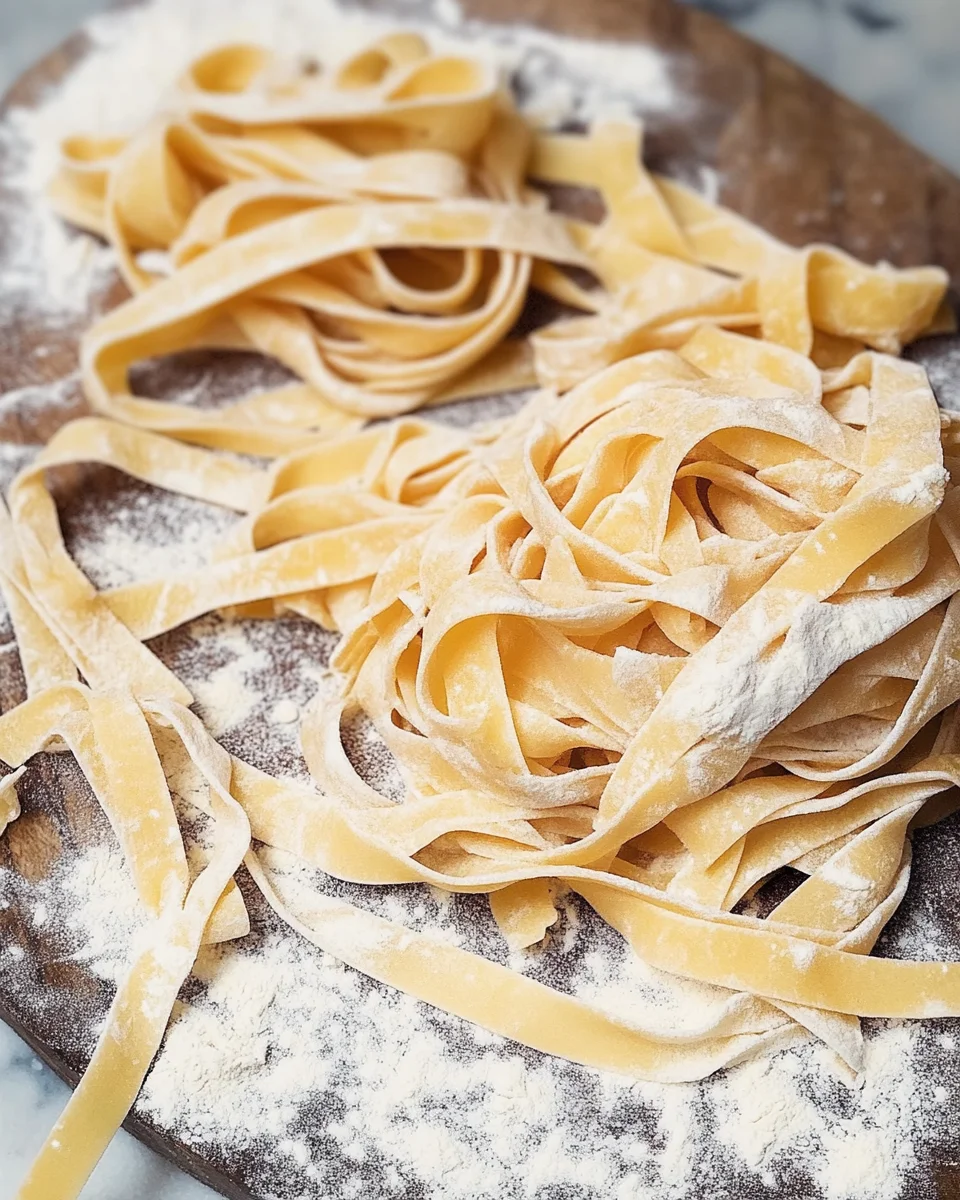
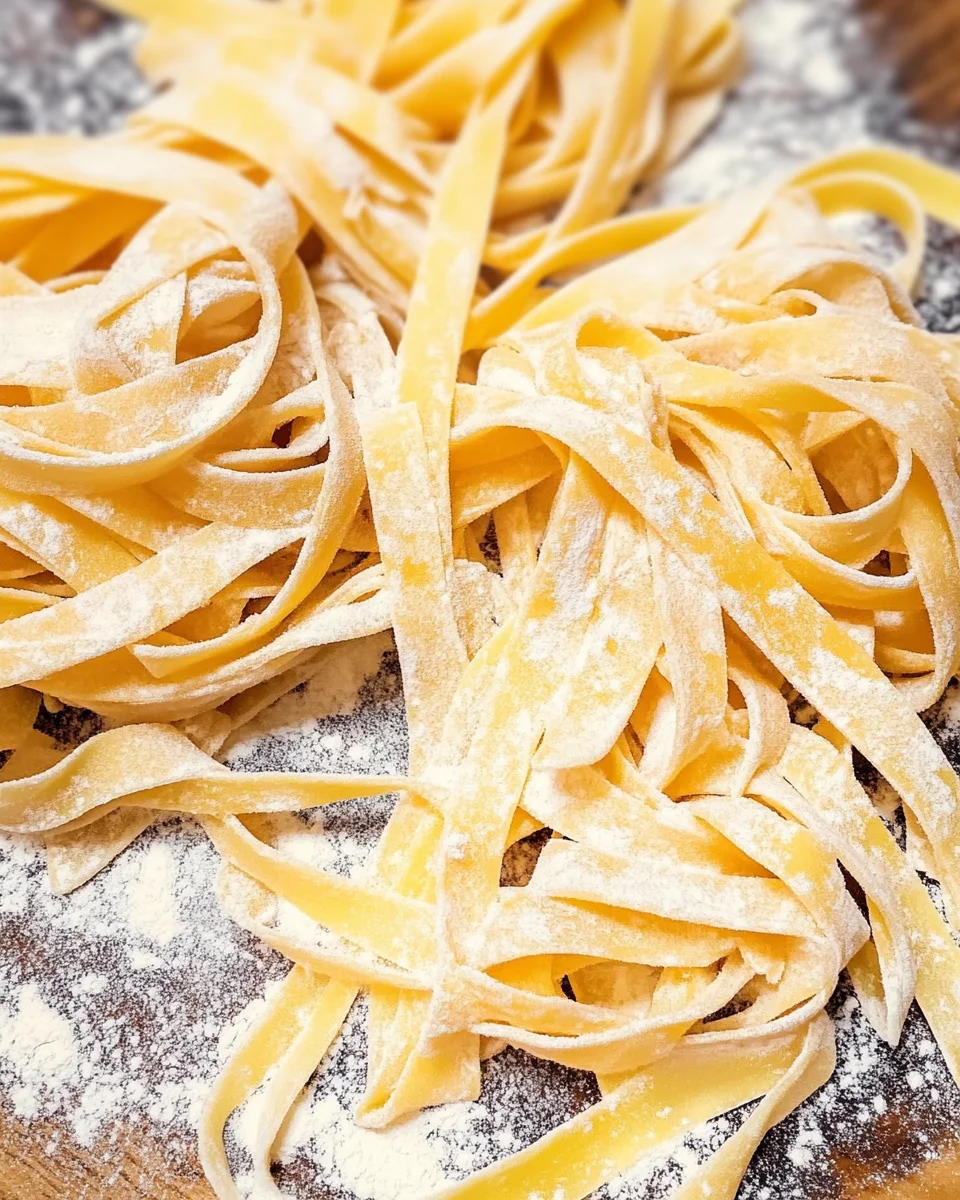
Use a knife or pasta cutter to slice your rolled-out dough into your preferred shapes—tagliatelle, fettuccine, or lasagna sheets!
Step 7: Cook Your Pasta
Bring salted water to a boil in a large pot. Add your freshly cut pasta and cook for about 3-4 minutes until al dente. Fresh pasta cooks much quicker than dried varieties!
Enjoy your delicious homemade creation!
How to Serve How to Make Homemade Pasta
Fresh homemade pasta is versatile and can be paired with a variety of sauces and toppings. Whether you’re looking for a light dish or something hearty, there’s a perfect way to serve your pasta.
Classic Marinara Sauce
- A simple tomato-based sauce that’s quick to prepare. Just sauté garlic in olive oil, add crushed tomatoes, and simmer.
Creamy Alfredo Sauce
- This rich and creamy sauce combines butter, heavy cream, and Parmesan cheese. It’s perfect for a decadent pasta night.
Pesto Sauce
- Made from fresh basil, garlic, pine nuts, olive oil, and Parmesan cheese, pesto adds a vibrant flavor that complements the pasta beautifully.
Garlic Butter Sauce
- Melt butter with minced garlic and toss it with your pasta for a quick yet flavorful option. Add parsley for freshness.
Meatballs
- Serve your pasta with homemade or store-bought meatballs. They add protein and heartiness to the meal.
Grilled Vegetables
- Roasted or grilled vegetables like zucchini, bell peppers, and asparagus can add color and nutrition to your plate.
How to Perfect How to Make Homemade Pasta
Making homemade pasta is an art that improves with practice. Here are some tips to elevate your pasta-making experience.
- Use high-quality flour: Opt for 00 flour for the best texture or all-purpose flour as a more accessible alternative.
- Knead well: Take the time to knead the dough until it’s smooth; this develops gluten and enhances the pasta’s texture.
- Rest the dough: Letting the dough rest allows it to relax, making it easier to roll out.
- Roll thinly: Aim for a thickness of about 1/8 inch for optimal cooking. Thinner pasta cooks faster and has better texture.
- Dust with flour: Use extra flour while rolling out your pasta to prevent sticking but don’t overdo it.
- Cook promptly: Fresh pasta cooks quickly—typically in just 2-4 minutes—so keep an eye on it!
Best Side Dishes for How to Make Homemade Pasta
Pairing side dishes with your homemade pasta can enhance the overall dining experience. Here are some great options:
- Garlic Bread: Crispy on the outside and soft inside, ideal for soaking up sauces.
- Caprese Salad: A refreshing mix of tomatoes, mozzarella, basil, olive oil, and balsamic vinegar.
- Caesar Salad: Crisp romaine lettuce tossed with Caesar dressing, croutons, and Parmesan cheese.
- Bruschetta: Toasted bread topped with diced tomatoes, basil, garlic, and olive oil—a perfect appetizer!
- Roasted Brussels Sprouts: Caramelized Brussels sprouts seasoned with salt and pepper make a tasty complement.
- Stuffed Mushrooms: Savory mushrooms filled with herbs and cheese for an elegant touch.
Common Mistakes to Avoid
Making homemade pasta can be a delightful experience, but certain mistakes can hinder your results. Here are some common pitfalls to watch out for.
- Boldly skip the flour measurement: Using too much or too little flour can affect dough consistency. Always measure accurately for the best results.
- Boldly ignore resting time: Failing to let the dough rest can lead to tough pasta. Allow it to rest for at least 30 minutes before rolling.
- Boldly roll too thick: Thick pasta may not cook evenly. Aim for a thin, even sheet when rolling out your dough.
- Boldly neglect the eggs’ freshness: Using stale eggs can impact flavor and texture. Always use fresh eggs for the best homemade pasta.
- Boldly forget to dust with flour: Not using enough flour while rolling can cause sticking. Lightly dust your work surface and dough with flour.
- Boldly rush cooking time: Overcooking pasta leads to mushiness. Keep an eye on the cooking time and taste for doneness.
Storage & Reheating Instructions
Refrigerator Storage
- Store homemade pasta in an airtight container.
- It will last up to 2 days in the refrigerator.
Freezing How to Make Homemade Pasta
- Freeze uncooked pasta by laying it flat on a baking sheet until solid, then transfer it to a freezer bag.
- It can store well for up to 3 months.
Reheating How to Make Homemade Pasta
- Oven: Preheat your oven to 350°F (175°C), cover with foil, and heat until warm.
- Microwave: Place in a microwave-safe dish, add a splash of water, cover, and heat in short intervals, stirring occasionally.
- Stovetop: Add a little water or sauce in a pan over low heat, stirring gently until warmed through.
Frequently Asked Questions
How to Make Homemade Pasta without a machine?
You can easily make homemade pasta by hand using a rolling pin instead of a machine. Just be sure to roll it thin enough for even cooking.
What type of flour is best for homemade pasta?
Using 00 flour is ideal for making homemade pasta because it creates a silky texture. All-purpose flour also works if you can’t find 00 flour.
How long does it take to cook homemade pasta?
Fresh homemade pasta cooks quickly in just about 2-4 minutes. Taste test frequently for desired doneness!
Can I make homemade pasta ahead of time?
Yes! You can prepare your dough ahead of time and store it in the fridge or freezer until you’re ready to use it.
What sauces pair well with homemade pasta?
Homemade pasta is versatile! Try pairing it with simple marinara, creamy alfredo, or even pesto for delightful flavors.
Final Thoughts
Making homemade pasta is not only rewarding but also allows you to customize flavors and shapes to suit your palate. Whether you enjoy classic fettuccine or want to try ravioli filled with your favorite ingredients, this recipe offers endless possibilities. Get creative and enjoy the fresh taste of your own handcrafted creation!
Did You Enjoy Making This Recipe? Please rate this recipe with ⭐⭐⭐⭐⭐ or leave a comment.
📖 Recipe Card
Print
How to Make Homemade Pasta
- Total Time: 19 minutes
- Yield: Approximately 4 servings 1x
Description
Fresh homemade pasta is a culinary delight that elevates any meal. With just two simple ingredients—flour and eggs—you can create a comforting dish that warms the heart and satisfies the palate. Whether you’re enjoying a cozy family dinner or hosting a festive gathering, this easy-to-follow recipe will guide you in crafting fresh noodles from scratch. The process of making homemade pasta is not only rewarding but also allows for endless variations in thickness and shapes—perfect for pairing with your favorite sauces or toppings. Get ready to impress your loved ones with the rich flavors and delightful textures of your own handcrafted pasta!
Ingredients
- 2 ¼ to 2 ½ cups 00 flour or all-purpose flour
- 4 large eggs
- Additional flour for dusting
Instructions
- Prepare your workspace by cleaning the kitchen counter and dusting it with flour.
- In a mixing bowl, create a well with the flour, crack the eggs into the center, and gently beat them while incorporating the flour.
- Knead the dough on a floured surface for about 8-10 minutes until smooth and elastic.
- Wrap the dough in plastic wrap or cover it with a towel and let it rest for at least 30 minutes.
- Divide the rested dough into portions, roll out thinly using a pasta roller or rolling pin, and cut into desired shapes.
- Cook in boiling salted water for about 3-4 minutes until al dente.
- Prep Time: 15 minutes
- Cook Time: 4 minutes
- Category: Main
- Method: Cooking
- Cuisine: Italian
Nutrition
- Serving Size: 1 cup of cooked pasta (140g)
- Calories: 220
- Sugar: 0g
- Sodium: 5mg
- Fat: 1g
- Saturated Fat: 0g
- Unsaturated Fat: 1g
- Trans Fat: 0g
- Carbohydrates: 43g
- Fiber: 2g
- Protein: 8g
- Cholesterol: 70mg